Botox vs Fillers: Which Treatment Is Better for Wrinkles?
Wrinkles and fine lines are a natural part of aging, but they can appear differently from person to person. Repeated facial movements, gradual loss of collagen and elastin, reduced skin elasticity, sun exposure, and changes in facial volume can all contribute to visible aging.
Table of Contents
ToggleTwo of the most commonly discussed non-surgical options for facial aging are Botox and dermal fillers. Although both can help create a smoother, more refreshed appearance, they work in very different ways. This is why the question “Botox vs fillers- which is better?” does not have one answer for everyone.
In simple terms, Botox primarily reduces the movement of specific facial muscles that contribute to dynamic wrinkles, while dermal fillers are designed to restore or add volume beneath the skin. The right choice depends on the type, location and severity of wrinkles, as well as your facial anatomy and desired outcome.
If you are considering Botox Treatment in Delhi, understanding these differences can help you have a more informed discussion with a qualified medical professional.
Botox vs Fillers: What Is the Difference?
The fundamental difference between Botox and fillers is how they address facial ageing.
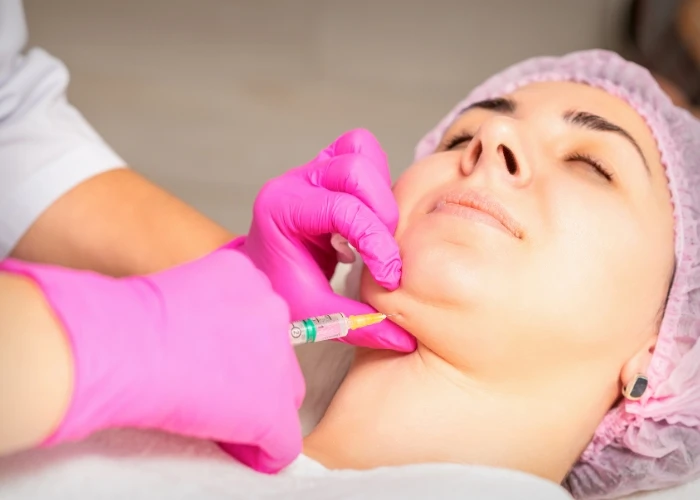
Botox contains botulinum toxin type A. When appropriately injected into selected muscles, it temporarily reduces muscle activity. This can soften wrinkles that develop because of repeated expressions, such as frowning, raising the eyebrows or squinting.
Dermal fillers, on the other hand, are injectable materials used to restore or add volume in specific areas of the face. Many modern fillers are based on hyaluronic acid, a substance naturally found in the body. They can help improve the appearance of certain folds, lines, hollows and areas affected by age-related volume loss.
Therefore, Botox is generally associated with muscle movement and dynamic wrinkles, while fillers are more closely associated with volume loss, facial contour and static lines.
What Is Botox Treatment?
Botox is a prescription injectable treatment derived from botulinum toxin. In aesthetic medicine, it is carefully administered in small amounts to targeted facial muscles.
How does Botox work?
Repeated muscle contractions gradually contribute to certain facial lines. When Botox temporarily reduces the activity of selected muscles, the overlying skin may appear smoother and existing dynamic wrinkles can become less noticeable.
Botox does not physically fill a wrinkle. Instead, it works by reducing the muscle activity contributing to its formation.
Which wrinkles can Botox treat?
Botox for wrinkles is commonly considered for:
- Forehead lines
- Frown lines between the eyebrows
- Crow’s feet around the eyes
- Certain expression-related facial lines
The treatment area and injection pattern should be determined after assessing the individual’s facial movements and anatomy.
What results can you expect?
Results do not generally appear immediately. Changes usually develop gradually after treatment, with the final effect varying between individuals.
The effect is temporary because muscle activity gradually returns. The duration can depend on factors such as the treatment area, dose, individual metabolism, and muscle activity.
For people exploring Botox Treatment in Delhi, a consultation is important because an appropriate treatment plan should focus on maintaining natural facial movement and expression rather than simply reducing all movement.
What Are Dermal Fillers?
Dermal fillers are injectable products used to restore or enhance volume beneath the skin. Different types of fillers are available, and the choice depends on the treatment area and desired outcome.
Hyaluronic acid fillers are widely used because hyaluronic acid naturally occurs in the body and different formulations can be selected for different facial areas.
How do dermal fillers work?
Fillers are placed beneath the skin to add volume or improve the appearance of certain depressions, folds, and contours. Depending on the product and area treated, they may also provide a more supported or hydrated appearance to the skin.
What concerns can fillers address?
Dermal fillers for wrinkles may be considered for concerns such as:
- Nasolabial folds
- Certain marionette lines
- Facial hollows
- Loss of cheek volume
- Under-eye volume concerns in selected patients
- Certain areas affected by age-related volume loss
Fillers may also be used for facial contouring or subtle enhancement, depending on the individual’s needs.
The result and longevity depend on the product used, treatment area, amount injected and individual factors.
Botox vs Fillers for Wrinkles: Which Is Better?
There is no universal winner in the Botox vs fillers comparison. Each treatment addresses different aspects of facial aging.
|
Factor |
Botox |
Dermal Fillers |
|
How it works |
Temporarily reduces targeted muscle activity |
Adds or restores volume beneath the skin |
|
Best suited for |
Dynamic expression-related wrinkles |
Volume loss, folds and selected static lines |
|
Common areas |
Forehead, frown lines, crow’s feet |
Cheeks, folds, hollows and selected facial areas |
|
Results |
Develop gradually |
Often visible soon after treatment, with changes depending on product and swelling |
|
Downtime |
Usually minimal |
Usually minimal, although swelling or bruising may occur |
|
Maintenance |
Repeat treatment is generally needed |
Repeat treatment may be needed depending on filler type and individual factors |
|
Main purpose |
Softens movement-related wrinkles |
Restores volume and improves facial contours or folds |
The best option depends on what is causing the wrinkle and what you want to achieve.
When Is Botox Better for Wrinkles?
Botox may be more appropriate when wrinkles are primarily caused by repeated facial muscle movement.
For example, if you notice lines becoming more prominent when you raise your eyebrows, frown or smile, your doctor may determine that Botox could be suitable.
Common examples include forehead lines, glabellar or “11” lines between the eyebrows and crow’s feet.
However, not every forehead line or facial wrinkle should automatically be treated with Botox. Facial anatomy, muscle strength, skin quality and existing facial volume all need to be considered.
A qualified professional can assess whether Botox treatment for facial wrinkles is appropriate and determine the injection points and amount required.
When Are Fillers Better for Wrinkles?
Fillers may be more suitable when facial ageing is associated with volume loss, deeper folds or hollowness.
As we age, the face can gradually lose fat and structural support. This can change facial contours and make certain folds or depressions more noticeable.
In these situations, simply relaxing muscles may not address the underlying concern. A suitable dermal filler may help restore volume in carefully selected areas.
However, fillers are not appropriate for every wrinkle. Product selection, injection depth, amount and placement are important for achieving a balanced result and reducing the risk of complications.
Can Botox and Fillers Be Used Together?
Yes. In selected patients, Botox and fillers may be used as part of a broader facial rejuvenation treatment plan.
For example, Botox may be used to address dynamic forehead or frown lines, while fillers may be considered for age-related volume loss in another area.
Combining treatments does not mean that everyone needs both. The decision should be based on the individual’s facial anatomy, concerns, medical history and treatment goals.
A qualified doctor can determine whether a combined approach is appropriate or whether one treatment is sufficient.
How to Choose the Right Treatment in Delhi
Choosing between Botox and fillers should begin with an assessment rather than the treatment name itself.
Consider the following factors:
1. Type of wrinkles
Are your lines mainly visible during facial expressions, or are they present even when your face is relaxed? This distinction can help determine whether muscle activity or volume loss is a major contributor.
2. Treatment area
Forehead lines, frown lines, crow’s feet, facial folds and volume loss may require different approaches.
3. Your ageing pattern
Ageing does not occur in exactly the same way for everyone. Skin quality, facial structure, fat distribution and muscle activity can all influence treatment planning.
4. Desired outcome
Some patients want softer expression lines, while others are primarily concerned about volume loss or facial contours. Communicating your expectations clearly is an important part of the consultation.
5. Medical history
Previous cosmetic treatments, medications, allergies and other medical factors may affect suitability. Always provide your doctor with complete and accurate information.
6. Doctor’s experience and assessment
When looking for the Best Plastic Surgeon in Delhi, patients should look beyond marketing claims and consider qualifications, relevant experience, consultation quality, treatment approach and whether the doctor provides realistic information about benefits and risks.
Botox Treatment in Delhi at Vanya Clinic
At Vanya Clinic, Botox treatment is approached as a personalized aesthetic procedure rather than a one-size-fits-all solution.
Treatment planning should consider facial anatomy, muscle movement, skin condition, wrinkle pattern and the patient’s desired outcome. Depending on the assessment, Botox may be considered for expression-related wrinkles, while other concerns may require fillers or a different facial rejuvenation treatment.
A consultation also provides an opportunity to discuss expected results, potential side effects, aftercare and whether the procedure is appropriate for you.
If you are considering Botox Treatment in Delhi, choosing a qualified medical professional and having a proper assessment before treatment can help you make a more informed decision.
Botox vs Fillers: How Long Do Results Last?
Both Botox and fillers provide temporary results, but their longevity is different.
Botox commonly lasts for several months, although the exact duration varies depending on the individual, treatment area, muscle activity and other factors. Maintenance treatments may be recommended when the effect gradually wears off.
Dermal fillers can last from several months to longer depending on the type of filler, location, product characteristics and individual metabolism. Some fillers may persist considerably longer than others.
It is important not to compare longevity solely by the number of months. The appropriate product and treatment approach should be selected based on the specific concern being addressed.
Botox vs Fillers: Which One Should You Choose?
So, Botox vs fillers- which treatment is better for wrinkles?
Neither treatment is universally better.
If your main concern is dynamic wrinkles caused by repeated facial movement, Botox may be more appropriate. If your concern is volume loss, facial hollows or certain deeper folds, dermal fillers may be considered.
Some patients may benefit from a combination of both, while others may need only one treatment- or a completely different approach.
The safest way to determine the right wrinkle treatment in Delhi is to have an in-person consultation with a qualified medical professional. Your doctor can evaluate your facial anatomy, discuss your goals and explain which options may be suitable for you.
Final Thoughts
Botox and dermal fillers are different treatments designed to address different aspects of facial ageing. Understanding the difference between Botox and fillers is the first step toward choosing an appropriate option.
If you are considering an anti-ageing treatment in Delhi, avoid choosing a procedure solely because it is popular or because someone else achieved a particular result. Your facial structure, wrinkle pattern, skin condition and goals are unique.
Frequently Asked Questions
1. Is Botox better than fillers for wrinkles?
Not necessarily. Botox is generally better suited to dynamic wrinkles caused by muscle movement, while fillers may be more suitable for volume loss and certain facial folds. The appropriate treatment depends on the individual.
2. What is the difference between Botox and dermal fillers?
Botox temporarily reduces activity in targeted muscles, helping soften expression-related wrinkles. Dermal fillers add or restore volume beneath the skin and may improve certain folds, hollows and contours.
3. Is Botox suitable for forehead wrinkles?
Botox is commonly used for forehead lines because these wrinkles can be associated with repeated forehead muscle movement. However, treatment should be planned according to facial anatomy and muscle activity.
4. Are fillers better for deep facial lines?
Fillers can be appropriate for certain deeper folds and lines associated with volume loss. However, not every deep line should be treated with filler, and a professional assessment is necessary.
5. How long does Botox last?
Botox results are temporary and commonly last for several months. Duration varies between individuals and depends on factors such as the treatment area and muscle activity.
6. How long do dermal fillers last?
Filler longevity varies considerably depending on the product, treatment area and individual factors. Some fillers last several months, while others can last longer.
7. Can Botox and fillers be used together?
Yes, they can be combined in selected patients when clinically appropriate. Botox and fillers address different aspects of facial aging, so a combined plan may sometimes provide a more comprehensive approach.
8. How do I choose a doctor for Botox Treatment in Delhi?
Look for a qualified medical professional with relevant experience in aesthetic injectables. During consultation, discuss your concerns, medical history, expected results, potential risks and treatment alternatives before making a decision.