Is a Tummy Tuck Safe for You? Are There Any Serious Risks?
By Dr. Anil Kumar Kaler - Board Certified Plastic Surgeon in South Delhi
Is a Tummy Tuck Safe for You?
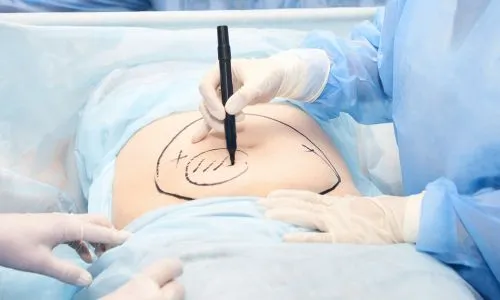
If you are considering a tummy tuck, medically known as abdominoplasty, it is natural to begin with one crucial question: Is a tummy tuck safe for me? Whether your concerns stem from post-pregnancy changes, significant weight loss, or the natural ageing process, the decision to undergo surgery should always be guided by facts, medical transparency, and personalised care. The reassuring reality is this: for the right candidate, performed by an experienced plastic surgeon in a certified medical facility, a tummy tuck is generally safe and highly effective. Beyond aesthetic enhancement, it can restore abdominal strength, improve posture, relieve discomfort caused by excess skin, and dramatically boost confidence. However, it remains a major surgical procedure, one that demands thoughtful planning, realistic expectations, and disciplined recovery. This comprehensive guide from Dr Anil Kumar Kaler is designed to provide in-depth answers to your safety-related questions. We explain what “safe” truly means, outline potential risks and how they are reduced, discuss pregnancy-related considerations, and help you decide whether now is the right time for you to proceed.What Exactly Is a Tummy Tuck?
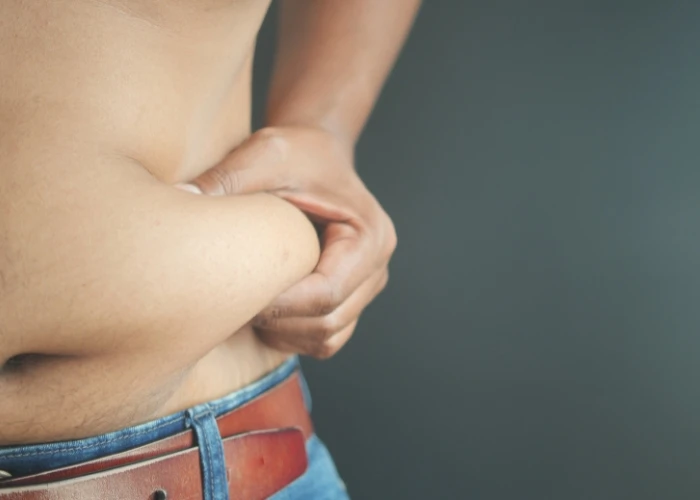
A tummy tuck is a body-contouring surgery that removes excess skin and fat from the abdomen and, when required, repairs diastasis recti—the separation of abdominal muscles commonly seen after pregnancy or significant weight fluctuations. Unlike liposuction alone, which only removes fat, abdominoplasty reshapes the entire abdominal wall, resulting in a flatter, firmer, and more functional midsection. Because the procedure addresses a large anatomical area and often involves muscle repair, it is more complex than surgeries performed through small incisions. This complexity is one reason patients must understand the importance of expert surgical technique, proper patient selection, and comprehensive aftercare.How Safe Is Tummy Tuck Surgery?
From a medical standpoint, tummy tuck surgery has a well-established safety profile. Large-scale clinical data suggest an overall complication rate of approximately 4%, which is slightly higher than some minor cosmetic procedures but still considered low for a major operation. For comparison, many other cosmetic surgeries report complication rates closer to 1–2%. What matters most is understanding that risk is not uniform. Complication rates increase or decrease depending on factors such as:- Body Mass Index (BMI)
- Smoking or nicotine use
- Existing medical conditions
- Whether multiple procedures are combined
- Surgical experience and facility standards
Potential Risks of a Tummy Tuck: What You Should Know
Every surgical procedure carries some level of risk, and abdominoplasty is no exception. While serious complications are uncommon, informed consent requires understanding all possible outcomes.Common and Manageable Risks
- Swelling and bruising
- Temporary numbness or sensation changes
- Scarring
- Seroma (fluid collection under the skin)
- Delayed wound healing
Less Common but More Serious Risks
- Bleeding or hematoma
- Infection
- Fat necrosis
- Asymmetry
- Deep vein thrombosis (DVT)
- Pulmonary embolism (PE)
- Anaesthesia-related reactions
How Rare Are Life-Threatening Complications?
When performed by a qualified, board-certified plastic surgeon in an accredited facility, tummy tuck surgery has an extremely low mortality rate. The numbers underscore an important truth, safety is driven by expertise, preparation, and compliance, not chance. Choosing the right plastic surgeon and clinic is the single most important decision you will make.Pre-Operative Evaluation: Where Safety Truly Begins
Safety does not start in the operating room—it starts weeks earlier. At Vanya Clinic, your pre-operative assessment includes:- Detailed medical history review
- Physical examination
- Blood tests to assess anaemia, clotting, and infection risk
- Cardiac and pulmonary evaluation when indicated
- Medication review, including hormones and supplements
The Critical Role of Smoking and Nicotine Cessation
Nicotine, whether from cigarettes, vaping, or smokeless products, reduces blood flow and oxygen delivery to healing tissues. This dramatically increases the risk of infection, wound breakdown, and poor scarring. For this reason, Vanya Clinic requires complete nicotine cessation for at least four weeks before and after surgery. This policy is not negotiable; it is a proven, evidence-based safety measure that protects your results and your health.Weight Stability and BMI: Why They Matter
Weight stability is essential for both safety and long-term results. Research consistently shows that complication rates increase when BMI is 30 or higher, particularly when multiple procedures are performed at the same time. This does not automatically disqualify patients with higher BMI, but it does mean we may recommend:- Weight optimisation before surgery
- Staging procedures instead of combining them
- A conservative surgical plan tailored to your physiology
Surgical Techniques That Improve Safety
Modern abdominoplasty techniques have significantly improved outcomes. At Vanya Clinic, we use:- Progressive tension (quilting) sutures to reduce dead space and minimise seroma formation
- Strategic drain placement when required
- Careful incision planning to optimise scar placement
- Layered closure techniques to support healing and reduce tension
Blood Clot Prevention: A Top Priority
Although rare, blood clots are among the most serious potential complications of any major surgery. Prevention is multifaceted and personalised, including:- Early ambulation
- Leg exercises
- Compression garments
- Adequate hydration
- Temporary anticoagulation for higher-risk patients
What Recovery Looks Like at Vanya Clinic
Recovery is a structured process designed to protect both your health and your results.First Week After Tummy Tuck
- Rest with gentle walking
- Compression garment use
- Drain care (if applicable)
- Pain control and swelling management
Weeks 2–3 After Tummy Tuck
- Improved mobility and energy
- Return to light desk work
- Continued garment use
Weeks 4–6 After Tummy Tuck
- Gradual increase in activity
- Avoid heavy lifting and core strain
- Ongoing scar and incision monitoring
Is a Tummy Tuck Safe During Pregnancy?
No. A tummy tuck is never performed during pregnancy or combined with a caesarean section. Pregnancy places natural stress on the abdominal wall, making muscle repair ineffective and increasing the risk. If you are pregnant or planning a pregnancy soon, the safest approach is to delay abdominoplasty. At Vanya Clinic, we help patients plan realistic timelines that protect both maternal health and surgical outcomes.Is Pregnancy Safe After a Tummy Tuck?
In most cases, yes. A tummy tuck does not involve reproductive organs, and most women can conceive and carry safely after full healing. The main consideration is comfort and cosmetic durability, not obstetric safety. Pregnancy may stretch repaired muscles and skin, potentially softening results. This is why many surgeons recommend completing your family before undergoing surgery whenever possible.How Long Should You Wait to Get Pregnant After Surgery?
Ideally, patients should wait 6 to 12 months after surgery before becoming pregnant. This allows tissues to heal fully and scars to mature, reducing discomfort during pregnancy. If a future pregnancy is likely soon, we may recommend postponing surgery or considering less extensive options.Combining Procedures: Is a Mommy Makeover Safe?
Combining procedures can be efficient, but it does increase overall surgical stress. Studies show higher complication rates with combined surgeries compared to staged approaches. At Vanya Clinic, combination procedures are considered only when:- The patient is medically low-risk
- Operative time remains within safe limits
- Enhanced monitoring protocols are in place
Scarring, Sensation, and Long-Term Expectations
Tummy tuck scars are typically placed low on the abdomen, easily concealed by clothing. With sun protection and silicone therapy, most scars fade significantly within a year. Temporary numbness is common and usually improves over time. Rarely, sensation changes may persist. Understanding these realities beforehand leads to higher satisfaction and confidence in your outcome.Long-Term Safety and Maintaining Results
A tummy tuck is not a weight-loss procedure. Long-term success depends on:- Stable weight
- Balanced nutrition
- Core-strengthening exercises once healed
Choosing the Right Surgeon and Facility
The most important safety decision you make is where and with whom you undergo surgery. Board certification, experience, and accredited facilities directly correlate with lower complication rates. At Vanya Clinic, safety is embedded in every step—from consultation to recovery.Conclusion
For healthy, non-smoking adults with stable weight and realistic expectations, a tummy tuck is generally safe and deeply rewarding when performed responsibly. While risks exist, they are well understood and actively managed through careful planning and expert care. If pregnancy is part of your future, timing becomes your most powerful safety tool. Our role is to help you choose the right moment, reduce risk, and support a smooth recovery—so your results feel as good as they look.Ready to Take the Next Step?
If you are considering abdominoplasty in Delhi NCR, schedule a consultation at Vanya Clinic. We will assess your candidacy, prioritise your safety, and design a personalised plan that respects your health, family plans, and aesthetic goals—because true success is not just about appearance, but about living comfortably and confidently every day.FAQs
-
Who is an ideal candidate for a safe tummy tuck?
-
How painful is tummy tuck surgery and recovery?
-
How long do tummy tuck results last?
-
Will a tummy tuck help with back pain or posture issues?
-
What happens if I experience a complication after surgery?